Foil Packet Meals – How to Make Cooking Packets
Foil packet meals are one of the easiest ways to cook dinner with less mess. You build the packet, seal it well, and let the food cook in its own heat and moisture. This method works well in the oven, on the grill, at camp, and in some cases in the Instant Pot.
Foil is not just for outdoor cooking. It is also a strong choice in the oven when you want a tight seal, easy cleanup, and tender results. If you like this kind of low-mess cooking, sheet pan dinners are another good method to keep in your back pocket.
This style of cooking is sometimes connected to the French term en papillote, which usually means food baked in a sealed paper packet. For everyday cooking, foil packet meals is the more common term.
Quick Answers
What it is: Foil packet cooking is a method where food is sealed in foil, or sometimes parchment, so it cooks in trapped heat and steam. It works especially well for fish, shrimp, chicken, vegetables, potatoes, and other foods that benefit from gentle cooking.
Why you’ll love it: It keeps cleanup light, helps hold moisture, and makes it easy to build single portions or family-size packets. It is useful for weeknights, oven meals, grilling season, and camping trips.
How to make it: Put the food in the center, leave a little room for steam, and seal the packet tightly so moisture stays inside. Use foil for the oven, grill, and campfire cooking. Use parchment for oven or Instant Pot recipes when that method fits the recipe.
Key Takeaways
- Foil works well in the oven, on the grill, and for camping.
- Parchment works well in the oven, some Instant Pot recipes, and some air fryer recipes, but not over open flame.
- Leave a little headspace inside the packet so steam can circulate.
- Seal the folds tightly or the packet will leak steam and dry out.
- Thin proteins and quick-cooking vegetables work best in packets.
Foil vs Parchment Paper
Foil is the most flexible choice. It seals easily, holds up well in the oven, and also works on the grill or at camp. It is a good fit when you want a strong packet that keeps moisture in and cleanup simple.
Parchment is a good fit when you want a gentler oven packet or an Instant Pot packet set on a rack. It should stay within the temperature limits listed by the manufacturer and should not be used over open flames or on the grill.
You can also use parchment around the food and foil on the outside. That gives you the nonstick feel of parchment with the strength of foil.
What Foods Work Best in Foil Packets
Quick-cooking proteins are the easiest place to start. Fish, shrimp, chicken breast, sausage, and thin cuts of meat all fit this method well because they cook in a reasonable time and benefit from the trapped moisture.
Seafood is one of the best fits for packet cooking because it is more delicate, cooks quickly and stays tender when the packet is sealed well. For a similar fast seafood dinner, see Sheet Pan Shrimp and Baby Bok Choy or Flaky and Moist Grilled or Baked Sheet Pan Salmon.
Vegetables also work well, but cook time matters. Tender vegetables cook quickly, while potatoes, carrots, and other dense vegetables may need smaller cuts or a head start so everything finishes together.
This method also works well when the ingredients release some moisture on their own. Butter, broth, oil, citrus, or a simple sauce can help, but you do not need much liquid. The goal is a moist packet, not a soupy one.
Tips For Building a Good Foil Packet
- Start with a piece that is large enough to fold and seal without crowding the food. You can fold and seal two pieces together if you need a larger packet and your foil is smaller.
- Put the ingredients in the center and not too close to the edges.
- Do not pack the food too thick. A flatter layer cooks more evenly and makes it easier for the steam to move through the packet.
- Seal the packet tightly, but leave space above the food. That small gap is important because packet cooking depends on trapped heat and steam.
How to Make Tent Style Foil Packets
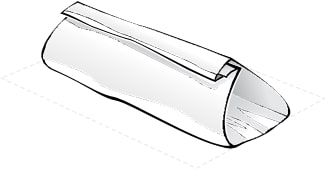
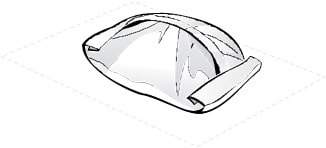
Use a tent-style packet when you want space above the food. This shape works especially well for fish, shrimp, and other foods that cook best with a little room for steam. This style is by far my most used packet.
- Place the ingredients in the center of the foil or parchment paper as directed in the recipe.
- Bring the long sides up to meet over the food. Fold them down until the top is sealed, but leave a little room between the food and the top of the packet so steam can circulate.
- Fold or crimp the open ends until the packet is tightly sealed. If steam can escape, the food can dry out.

How to Make Flat Foil Packets
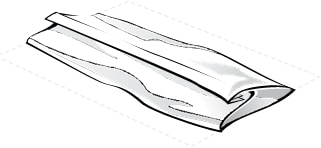
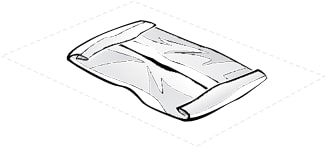
Use a flat packet when the food is thin and you want a tighter wrap. This works well for vegetables, thinner proteins, and simple side dishes.
- Place the ingredients in the center of the foil or parchment paper as directed in the recipe.
- Bring the long sides up and fold them down so the packet sits tighter against the food.
- Fold up the open ends until the packet is sealed well. A tight seal keeps the moisture where you want it.

Best Uses for Each Cooking Method
Oven
The oven is one of the best places to use foil packets. Foil works well when you want a tight seal, tender food, and easy cleanup. Parchment also works well in the oven when the recipe is built for it and the paper stays within its rated heat limit. For a larger foil-covered oven recipe, see my baby back ribs in the oven recipe.
Grill
Foil works especially well on the grill because it handles the heat better and keeps the packet sealed well during cooking. Try it with this grilled skirt steak recipe.
Camping and Campfire Cooking
Foil is the right choice here too. It is strong, easy to seal, and works well on grill grates or near coals when the packet is built properly.
Instant Pot
Parchment packets can work well in the Instant Pot when they are placed on a rack and cooked with steam. This is a useful option for fish and other delicate foods. Instant Pot Salmon for Two is a good example of how you can make a meal with both protein and a vegetable in one packet.
Common Mistakes to Avoid
One common mistake is overfilling the packet. If the food is piled too high, the packet is harder to seal and the ingredients cook unevenly.
Another mistake is using the wrong material for the job. Foil is the better choice for the oven when you want a stronger seal, and it is also the better choice for grill and campfire cooking. Parchment is better saved for oven and some pressure-cooker uses.
A loose fold can also cause problems. If the seal is weak, steam escapes and the packet does not do its job.
Recipes That Use This Method
This method works especially well for fish, ribs, and simple one-packet meals when you want moisture and easy cleanup. It is useful anytime you want to hold in juices without using extra pans.
For seafood, see Instant Pot Salmon for Two or Flaky and Moist Grilled or Baked Sheet Pan Salmon. For a larger foil-based oven method, see baby back ribs in the oven. If you want more no-fuss dinner ideas in the same spirit, see Sheet Pan Dinners for Fuss-Free Weeknight Meals.
Source Note
The technique notes in this post reflect standard guidance from recognized culinary and kitchen sources, including the Culinary Institute of America and Rouxbe on packet cooking and en papillote, along with manufacturer guidance on parchment paper heat limits and avoiding open flame.
FAQs
What are foil packet meals
Foil packet meals are meals cooked inside a sealed foil pouch so the food steams in its own heat and moisture. Some oven versions use parchment paper, but foil is the more general and practical term.
Can you use foil packets in the oven
Yes. Foil packets work very well in the oven and are a good choice when you want a tight seal, tender results, and easy cleanup.
Can you use parchment paper instead of foil
Yes, for oven cooking and some Instant Pot recipes. Parchment should stay within its listed temperature limit and should not be used on grills or over open flames.
Are foil packet meals good for the grill
Yes. Foil packet meals are a strong fit for the grill because foil seals well and holds up better to outdoor heat.
What foods cook best in foil packets
Fish, shrimp, chicken, sausage, and vegetables are some of the easiest foods to cook in packets. Thin cuts and quick-cooking ingredients usually give the best results.
Why did my foil packet meal turn out watery
That usually happens when the packet holds too much moisture or the ingredients release a lot of liquid. Use less added liquid, avoid overcrowding, and choose ingredients with similar cook times.
How do you keep foil packets from leaking
Keep the food centered, leave enough room to fold, and crimp the edges tightly. A weak seal lets steam escape and can also drip on the pan or grill.
Tent-style pack
Flat pack
In recipes such as Instant Pot Salmon the ingredients are steamed inside parchment packets (en papillote) and placed on the steam rack inside the Instant Pot. A fan favorite recipe is BBQ Ribs in the Oven which uses a large foil packet to make the ribs amazingly moist and tender. Here’s how to make the tent-style and flat packets described in those recipes.
How to Make Tent-Style Packets for Cooking en Papillote
- Place the ingredients in the center of the foil or parchment paper as directed in the recipe.
- Bring the long ends of the foil or paper up to meet over the ingredients Fold down the foil or paper until the top of the packet is tightly sealed but there is enough of a gap between the food and the top of the packet to allow air and steam to circulate.
- Fold or crimp up the open ends of the foil or paper until the folds are tight against the ingredients and the packet is tightly sealed.
How to Make Flat Packets
- Place the ingredients in the center of the foil or parchment paper as directed in the recipe.
- Bring the long ends of the foil or paper up to meet over the ingredients. Fold down the foil or paper until it is tight against the ingredients.
- Fold up the open ends of the foil or paper until the folds are tight against the ingredients and the packet is tightly sealed.