Foolproof Meat Recipes That Always Turn Out Right
Dry pork chops? Overcooked chicken? Rock-hard steak? We’ve all been there. This guide gives you simple, foolproof ways to cook meat that turns out juicy, flavorful, and perfectly done every single time.
Whether you’re new to cooking or just tired of tough results, these foolproof meat recipes have you covered. For chicken lovers you can dive right in to our top 10 Chicken Recipes.
🧭Table of Contents
How to Choose the Right Cut of Meat
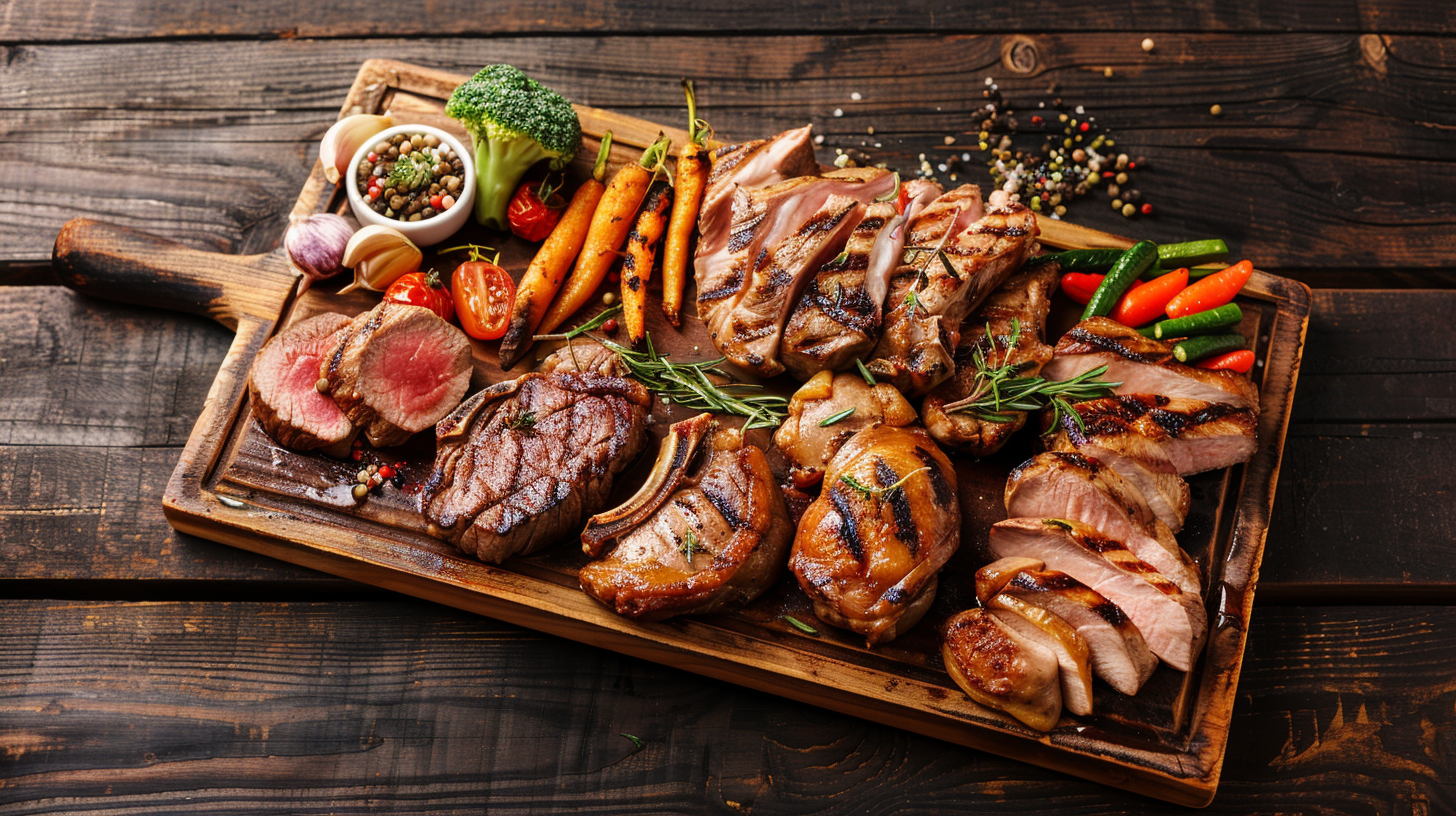
Picking the right cut is where foolproof meat cooking truly begins. Choosing well saves you time, helps your recipes shine, and prevents costly mistakes.
Here’s what you need to know:
- Know the muscle: Cuts from active muscles (like beef chuck, brisket, or pork shoulder) have more collagen and need slow cooking to turn tender.
- Go for tenderness: Cuts from less-used muscles (like beef tenderloin, chicken breast, or pork loin) are naturally tender and suited for quick, higher-heat cooking.
- Bone-in or boneless: Bone-in cuts (like chicken thighs, pork chops, or bone-in ribeye) add flavor and help retain moisture, but usually cook a bit slower than boneless.
📌 Why it matters: Using the wrong technique for the wrong cut will lead to dry, rubbery, or flavorless results — something we all want to avoid.
A Few Cooking Styles for Home Cooks:
- Slow cook or braise: Beef chuck, brisket, pork shoulder, whole chicken legs
- Quick sear or grill: Beef sirloin, pork tenderloin, boneless chicken breasts or thighs
- Roast or bake: Whole chicken, turkey breast, pork loin, leg of lamb
🔗 Want a printable reference? Check out the Meat Cut Chart for Home Cooks.
Cooking Methods That Deliver Foolproof Results
Even the best cut and best grade of meat will disappoint without the right technique. These core cooking methods work with a variety of meats including beef, pork, lamb, and poultry to give consistent, delicious results.
The Big 4 Foolproof Cooking Methods:
Searing + Oven Finish
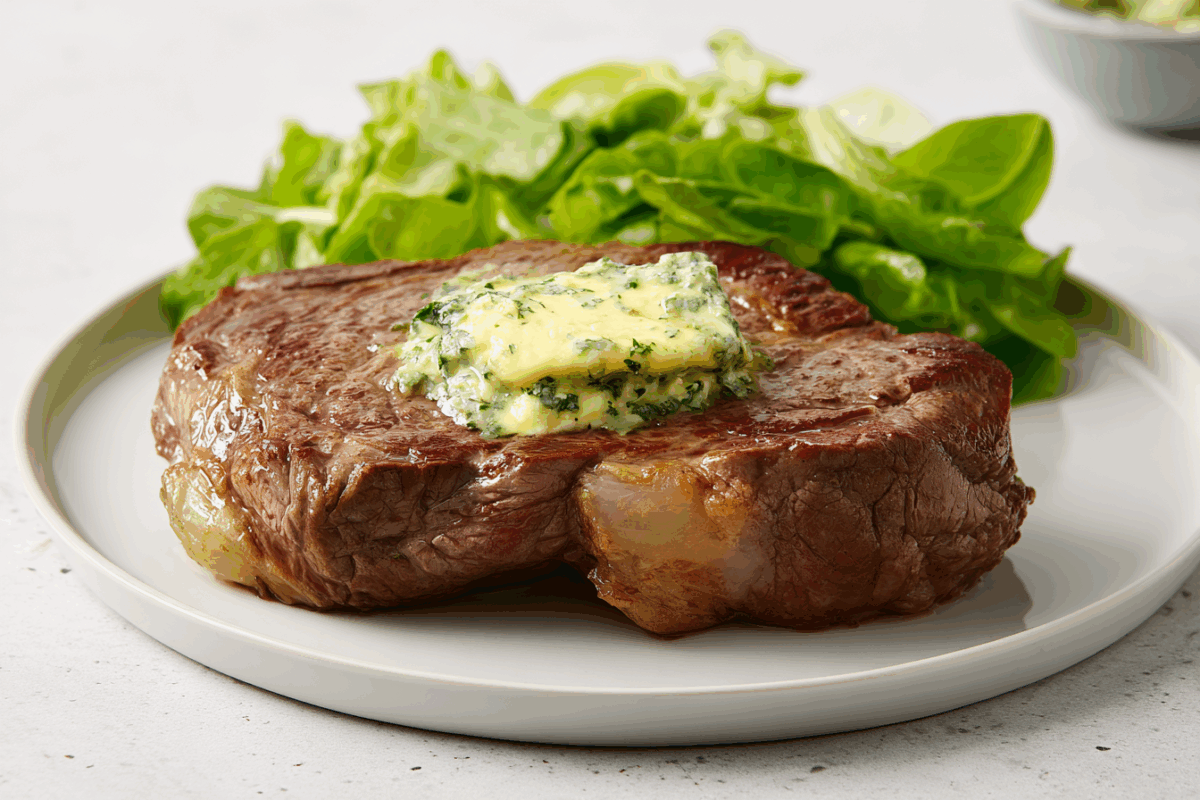
- Works best for thick beef steaks, pork chops, or bone-in chicken thighs.
- Creates a flavorful crust while finishing gently in the oven for even cooking.
Slow Cooking or Braising
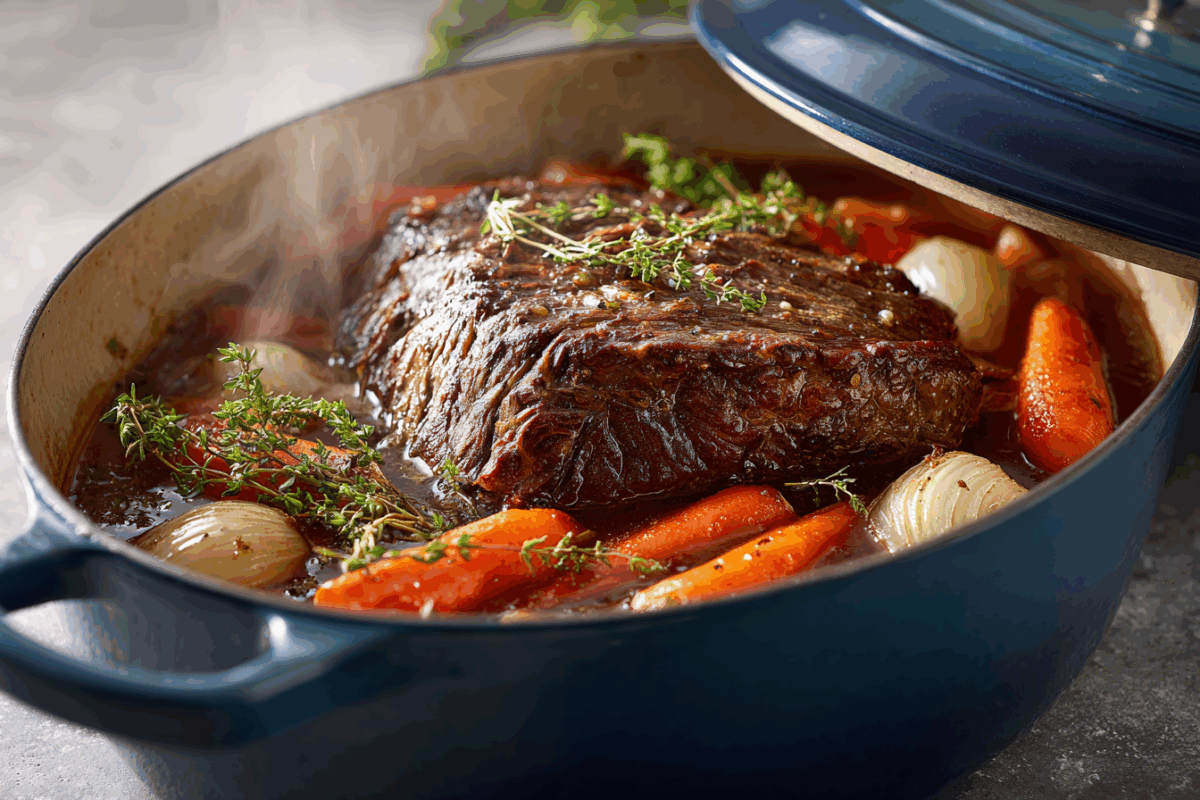
- Great for tough beef roasts, pork shoulder, or whole chicken legs.
- The long, slow simmer breaks down fibers and infuses flavor.
Sheet Pan Roasting

- A lifesaver for busy nights. Just toss chicken thighs, pork tenderloin, or fish with veggies and seasonings on one pan and roast for an easy, hands-off dinner.
Air Fryer or Instant Pot

- Quick and easy methods for all types of meat, fish and vegetables.
- Energy-efficient and doesn’t heat up the kitchen on hot summer days.
Grilling

- Ideal for quick-cooking cuts like sirloin, pork tenderloin, chicken breasts, or wings.
- Adds a smoky, caramelized flavor with high heat.
📌 Pro Tip: Always rest meat at least 3 to 5 minutes before slicing to retain the juices. Follow recipe instructions for alternate times, as different cuts and thicknesses may need longer resting times.
Internal Temperature Guide For Meat Recipes
Use a meat thermometer. Don’t rely on guesswork. As long as I have been cooking, I still don’t rely on guessing. The added benefit is that you don’t have to hover over the stove or keep opening the oven to check if your protein is done.
|
Meat |
Safe Temp (°F) |
Notes: |
|
Chicken (all cuts) |
165°F |
Check that juices run clear when pierced with a fork |
|
Pork (except ribs) |
145°F |
Let meat rest 3 minutes before serving |
|
Pork Ribs |
195-205°F |
Test doneness with the ‘bend test’ |
|
Beef (Medium) |
145°F |
Let meat rest 3 minutes before serving |
|
Lamb and Veal |
145°F |
Let meat rest 3 minutes before serving |
|
Ground Meat (all types) |
160°F |
160°F |
|
Ham (Fully Cooked) |
140°F |
After reheating |
|
Egg Dishes |
160°F |
Eggs and whites should be firm |
⚠️ Important Note: The FDA provides additional resources for people at risk, such as pregnant women, infants and children, the elderly, and those with compromised immune systems. Please check out the USFDA food resources if you are in one of these groups or are entertaining guests who are.
Beef Recipes That Nail Doneness
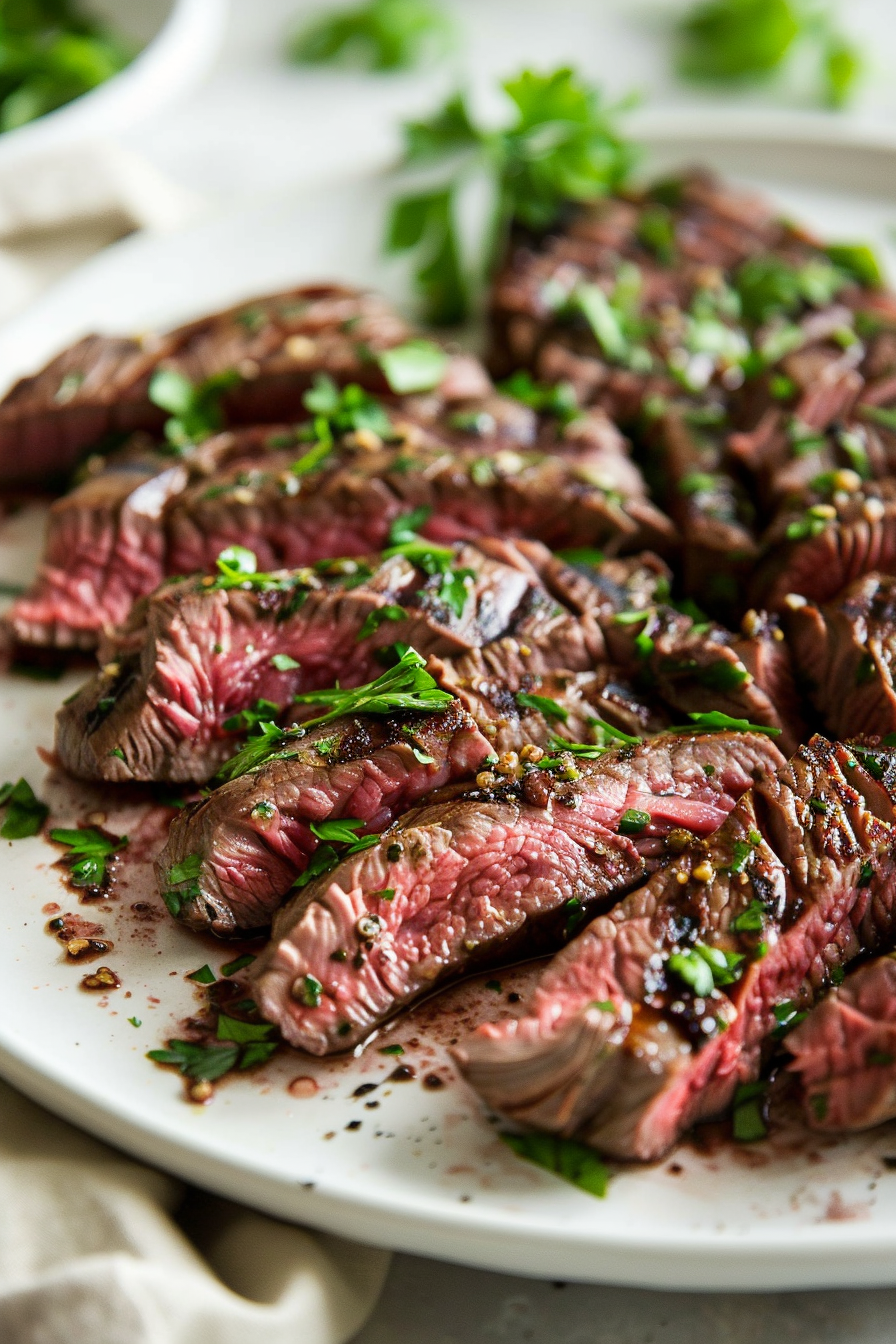
Never serve under- or overcooked beef again. Use the ideal beef cuts for your cooking method.
- Perfect Top Sirloin Filet – Pan Seared
- Sirloin Steak Tips – Easy Stovetop
- Slow Braised Beef Short Ribs – Oven Baked
- Mouthwatering Smoked Beef Tri Tip – Smoking
💡 Quick Tip: Bring beef to room temperature (about 30 minutes) before cooking.
Pork Recipes Without the Dryness
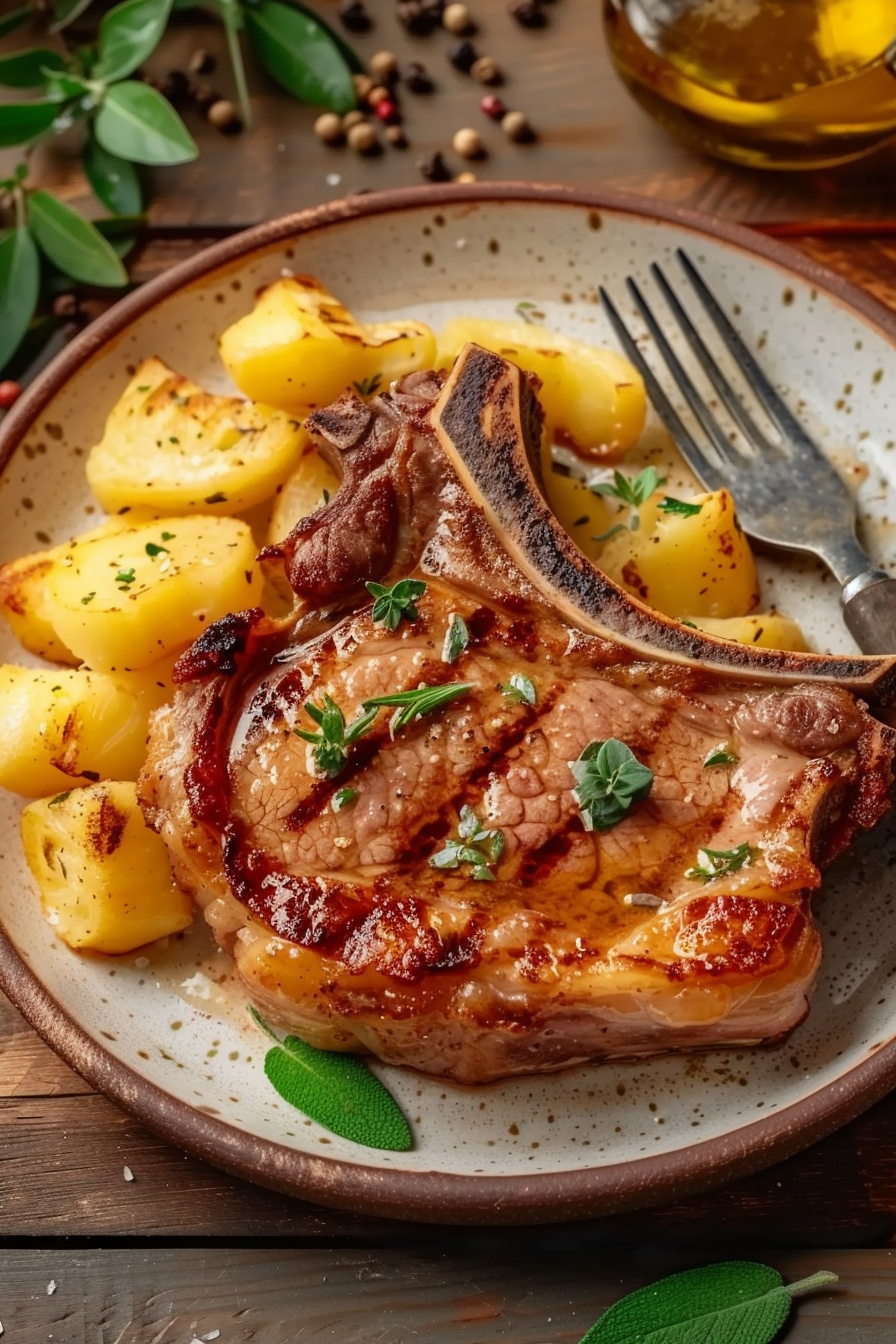
Pork should be juicy, not tough.
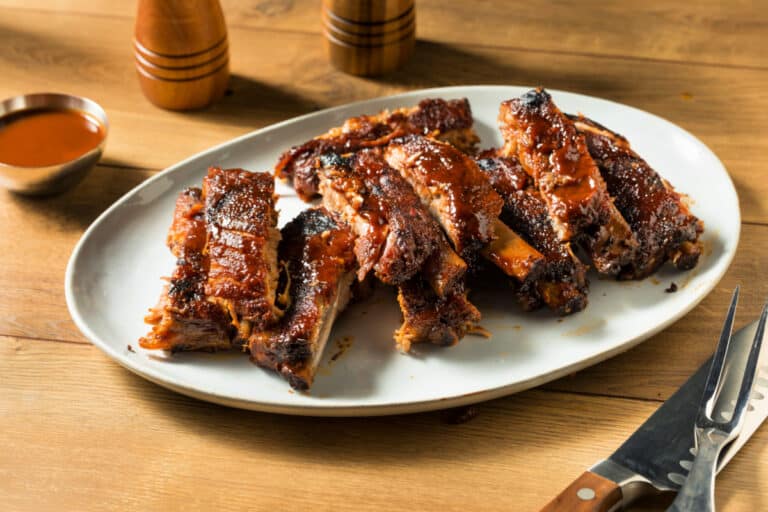
- BBQ Baby Back Ribs in the Oven
- One-Pan Honey Mustard Pork Tenderloin
- Sweet and Sour Pork Stir Fry
- Air Fryer Country Style Pork Ribs
💡 Quick Tip: Use a meat thermometer. Never cut into the meat to check doneness.
Chicken Recipes You Can Trust
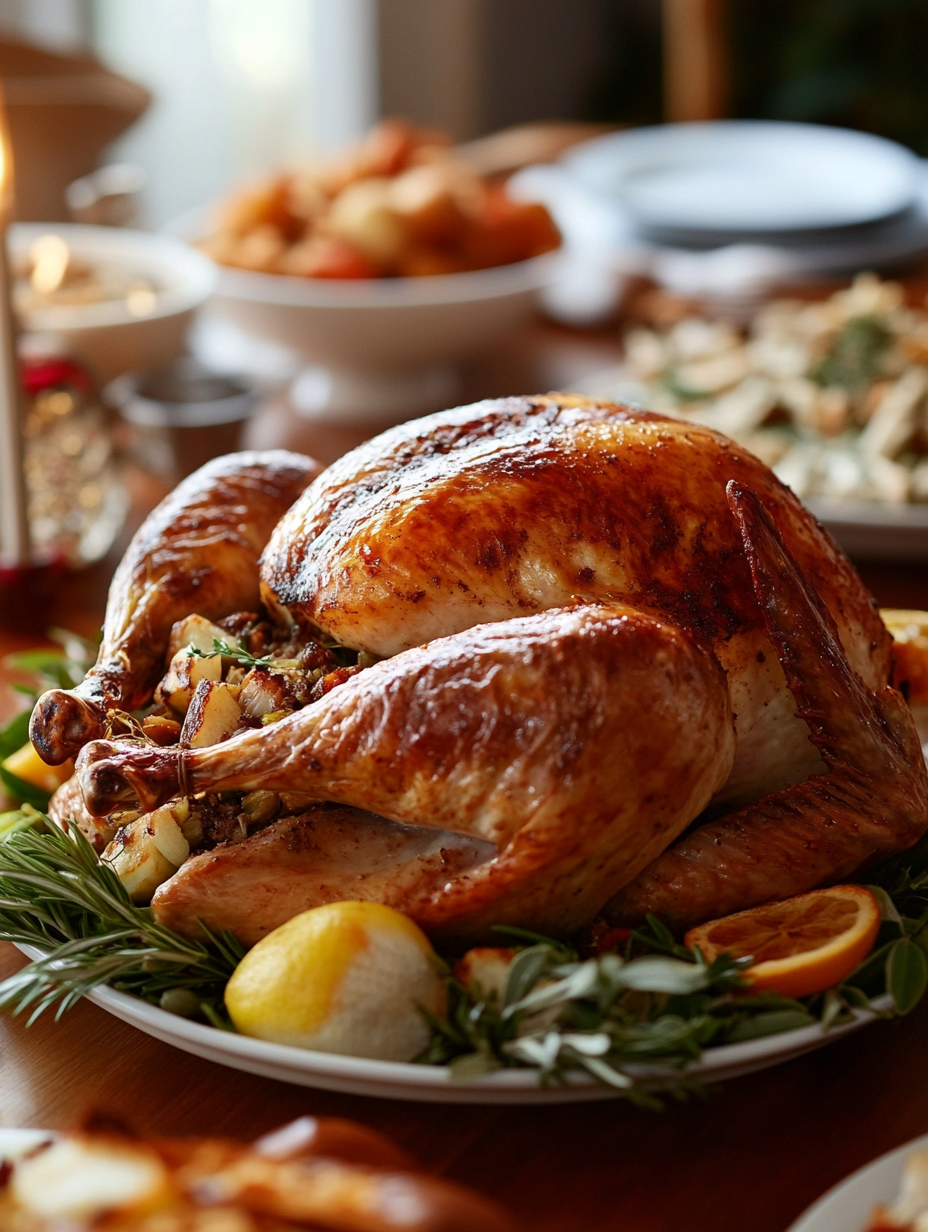
Forget about dry, boring chicken.
- Game Day Chicken Wings
- Crispy Baked Chicken Leg Quarters
- Air Fryer Chicken Wings With Sauces
- The Best Chicken Tinga
- Juicy Smoked Whole Chicken
📌 Pro Tip: Pound thick chicken breasts to even thickness for quicker, even cooking.
Meat Thermometer Tips for Accurate Cooking
- Insert into the thickest part of the meat
- Avoid touching bone or fat
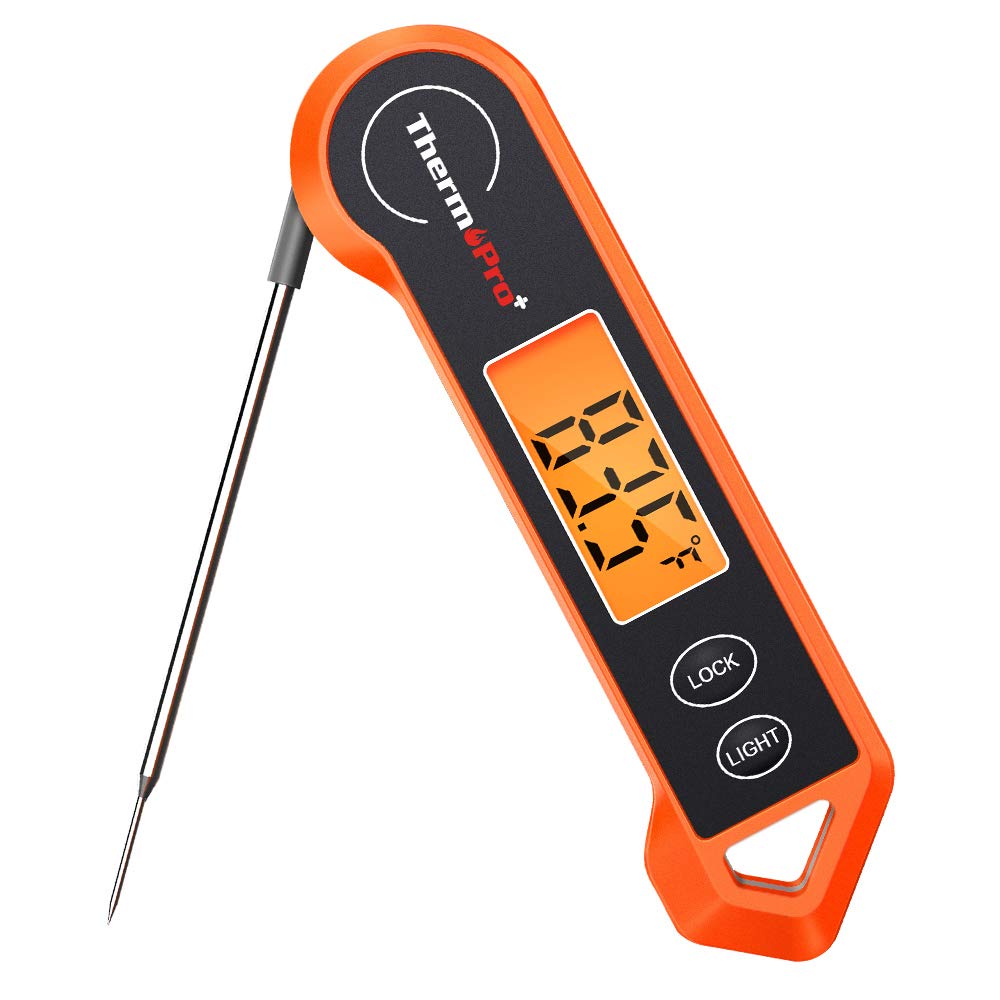
- Use an instant-read thermometer for quick checks
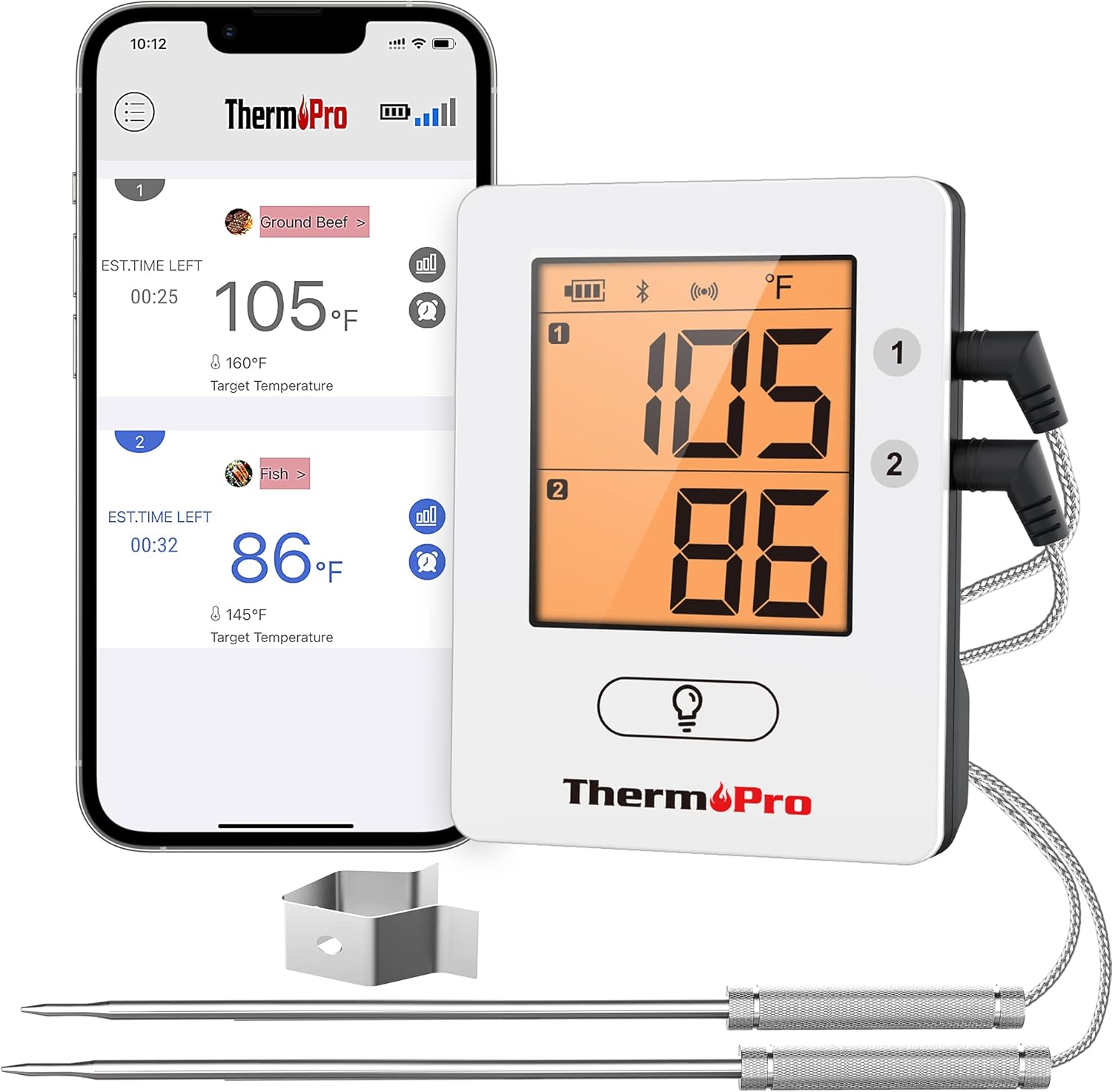
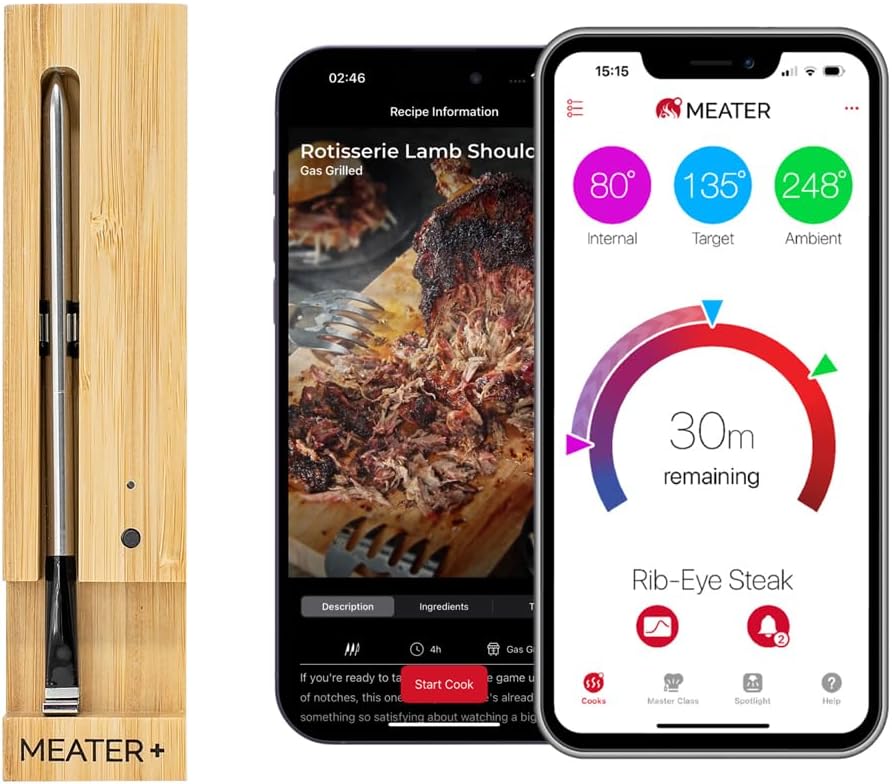
- Use a probe meat thermometer if you want to leave it in during cooking
My fAVORITE mEAT tHERMOMETERS
Mistakes to Avoid When Cooking Meat
These common missteps can ruin your results—avoid them at all costs:
- Cooking straight from the refrigerator: Bring your meat to room temperature for even cooking.
- Skipping the rest period: Enables the juices to be redistributed throughout the meat.
- Using low heat for searing: Higher heat make a nice sear and doesn’t overcook the inside.
- Guessing doneness instead of checking: A meat thermometer is a must have tool.
FAQs
What’s the best oil for searing meat?
Should I marinate meat before cooking?
How long should meat rest after cooking?
Ready to cook like a pro? Explore our meat recipes and use this guide as your go-to resource. No more guessing. Just juicy, flavorful meat every time.